

Features, Pricing, and What Is New in 2026 Meta Description: GPT 6 Astra is OpenAI’s newest model. See what it costs, what it can actually do, and whether US users should pay for it or stick with something simpler.
GPT 6 Astra: Features, Pricing, How It Works, and What Is New
OpenAI began rolling out GPT 6 Astra on September 3, 2026, calling it its most capable model to date. For US readers who use ChatGPT for work, school, or personal projects, that description matters less than a simpler question: what does this model actually let you do that older versions could not, and is it worth paying for.
GPT 6 Astra is built around computer use, meaning it can operate inside software and websites rather than only answering questions about them, a shift from an AI that explains what to do toward one that can attempt to do it. This article explains what GPT 6 Astra is, how it works, what changed from earlier models, what it costs, and who is likely to benefit from using it.
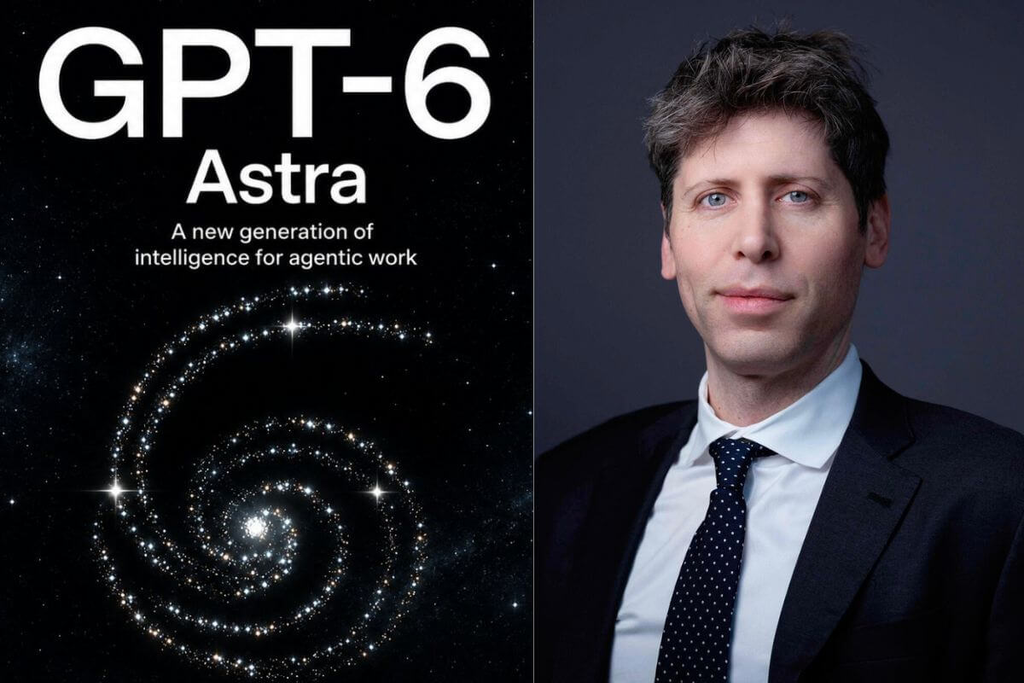
What Is GPT 6 Astra?
GPT 6 Astra is OpenAI’s newest flagship AI model, sitting above GPT 5.6 Sol in the company’s lineup. It is available inside ChatGPT and through OpenAI’s developer API, and it is built to handle reasoning, coding, research, and professional work with more independence than a standard chatbot, which mostly works one way: you ask a question, it answers based on what it knows or can look up.
According to OpenAI’s official announcement, Astra can take on multi part tasks that involve using software directly, such as filling out forms, updating records, or building and testing a website, rather than only describing the steps for a person to follow. That focus on taking action inside real software, combined with stronger reasoning and coding performance, is what separates Astra from earlier GPT models.
How Does GPT 6 Astra Work?
Astra reasons through problems in steps rather than producing an answer in one pass, which helps with planning, comparisons, and math heavy tasks, and it holds onto context across a long task instead of losing track of the original goal as work continues. Because it supports computer use, Astra can interact with websites, applications, spreadsheets, and documents rather than only generating text, filling out online forms, updating CRM records, organizing a calendar, researching a topic, and working directly inside document or spreadsheet software.
When a task is complicated, Astra breaks it into smaller steps and works through them in order. If a user changes requirements partway through, OpenAI says the model folds in the new instruction without dropping earlier constraints, something the company notes earlier models sometimes struggled with. When a decision could meaningfully change the outcome, Astra can ask a focused question while continuing other parts of the task that do not depend on the answer.
Three examples show how this plays out. A small business owner asks Astra to research three competitors and prepare a short report; Astra searches, organizes what it finds, and drafts the report in a document rather than just returning links. A developer asks Astra to build a website, then test and fix it; Astra writes the code, runs checks, finds problems such as broken layout elements, and corrects them. A professional asks Astra to turn meeting notes into a spreadsheet or presentation matching the company’s template; OpenAI says Astra is built to match a user’s formatting and writing style rather than produce generic output.
What Is New in GPT 6 Astra?
Compared with GPT 5.6 Sol, OpenAI highlights several improvements:
- Advanced computer use and improved web browsing: Astra operates inside real software and researches online rather than only describing steps.
- Better software engineering and coding: OpenAI calls Astra its best model yet for this work.
- Advanced reasoning and improved multi step workflows: it works through multi part problems as one continuous process, not just surface level answers.
- Professional work capabilities: it produces documents, spreadsheets, and presentations that match a user’s template and tone, with improved visual judgment for websites and designs.
- Better handling of changing instructions: it adjusts mid task without losing earlier constraints.
- Better research capabilities: stronger performance on research heavy benchmarks.
- Cybersecurity capabilities: OpenAI states Astra reaches a new capability level here, which is why extra safeguards surround it, covered later.
- Scientific and mathematical problem solving: OpenAI reports Astra contributed to new results in prime number research and performs strongly on advanced math and science evaluations, mainly relevant to researchers.
Each of these points toward the same idea: OpenAI wants Astra to complete real tasks inside real tools, not only give advice about them.
GPT 6 Astra Computer Use Explained
Computer use refers to an AI model’s ability to interact directly with software, websites, and files, rather than only generating text a person then acts on. OpenAI describes Astra filling out online forms, updating CRM records, organizing a calendar, researching across multiple sources, working inside document and spreadsheet editors, testing websites, and helping install or troubleshoot software based on what appears on screen. A traditional assistant explains how to update ten spreadsheet records, while a computer using model can attempt the update itself and report back on what changed.
Even so, human supervision remains important, particularly for decisions with real consequences. Financial transactions, legal filings, medical decisions, and anything involving sensitive company data should still involve a person reviewing the outcome, not just approving the task in advance. OpenAI describes safeguards, including a review step in tools like Codex, that can pause certain actions until a user confirms them.
GPT 6 Astra for Coding and Software Development
OpenAI describes Astra as its best model yet for software engineering. It can write new code, debug existing code, run automated tests, build a basic website or web app from a prompt including frontend elements, check that the result functions correctly, help install software, troubleshoot errors, analyze codebases, and research technical problems online.
For US software teams, a model that handles more routine work, including quality checks, could shift attention toward design decisions and away from repetitive debugging. OpenAI notes Astra is being integrated into third party coding tools, including Devin from Cognition, suggesting it is meant to work as a component inside other products, not only through ChatGPT. Generated code, like any AI output, should still go through normal review and testing before production use, especially for anything handling sensitive data.
GPT 6 Astra for Business and Professional Work
OpenAI positions Astra as a tool for professional work across departments: drafting campaigns and researching competitors in marketing, organizing data and summarizing reports in finance, preparing account research and updating CRM records in sales, drafting responses in customer support, and gathering and organizing information in research and operations. In legal work, OpenAI cites early feedback that Astra is stronger at separating established facts from assumptions, useful for drafting and review, though not a substitute for a licensed attorney.
The common thread is repetitive knowledge work: gathering information, organizing it, and producing a polished output, done again and again across a business. Companies should still apply human review for anything with real financial, legal, or reputational impact, since an AI model completing more of a workflow does not remove the need for a person to check the result.
GPT 6 Astra Pricing
GPT 6 Astra pricing works differently depending on access method.
ChatGPT subscription access. Astra usage is included within existing ChatGPT subscription allowances on the Plus, Pro, Business, and Enterprise plans, rolling out in stages. Pro, Business, and Enterprise subscribers also get access to a version called GPT 6 Astra Pro. OpenAI has not published a separate standalone price for Astra beyond existing plan pricing, and users can purchase additional usage credits beyond what is included. Check OpenAI’s official ChatGPT pricing page for current numbers, since plan pricing can change.
API access. OpenAI published specific rates at launch: 10 dollars per 1 million input tokens, 1 dollar per 1 million cached input tokens, and 50 dollars per 1 million output tokens on the standard tier. A token is a small chunk of text, often a piece of a word, that AI models use to process language. Input tokens are what you send the model; output tokens are what it generates back. Cached input applies when the same content is reused across requests, such as a repeated system prompt, lowering the cost for that portion. API usage is billed based on actual use rather than a flat monthly fee, and a faster option called Fast mode is available at roughly twice the price of standard processing. Confirm current pricing on OpenAI’s site before estimating costs, since these figures reflect the September 2026 launch.
GPT 6 Astra API
The API version is meant for developers and businesses building their own applications: AI powered customer support that looks up account details, research agents, business automation for repetitive workflows, data analysis systems, coding assistants embedded in developer tools, internal company tools, and document processing systems. Because pricing is usage based, costs scale with actual use, and applications that reuse the same context repeatedly can lower costs through the cached input rate.
GPT 6 Astra vs GPT 5.6
OpenAI’s published evaluation results offer a factual basis for comparison. On coding benchmarks such as Terminal Bench 4.0, Astra scores notably higher than Sol. On computer use evaluations such as OSWorld 2.0, Astra completes tasks in significantly less time while scoring higher. On advanced math evaluations such as FrontierMath Tier 4, Astra scores substantially higher, and on a professional benchmark called Agents’ Last Exam, Astra is ahead of Sol as well. OpenAI also describes Astra as better at staying focused on a task when instructions change mid conversation, and at producing output that more closely follows a user’s existing template.
None of this makes Sol obsolete. For simple questions, everyday writing help, or basic research, GPT 5.6 Sol remains capable and less expensive. The gap between the two is largest on complex, multi step, or computer use heavy tasks.
GPT 6 Astra vs Traditional Chatbots
A traditional chatbot generally works in a simple pattern: you ask a question, it gives an answer based on training or a quick search, and the interaction ends there. GPT 6 Astra works differently. A user can describe a goal, such as preparing a competitor analysis or building a basic website, and Astra can research information, work inside relevant software, organize the results, and produce a finished output, checking in when an important decision needs input.
This shift, from answering questions to attempting to complete goals, is often called agentic behavior in the AI industry. It moves the technology from an information source toward something closer to a working assistant, though results still vary depending on task complexity and the oversight a user applies.
GPT 6 Astra Safety and Limitations
A model built to take action inside real software introduces risks a purely conversational chatbot does not carry. Because Astra can interact with accounts, files, and applications, granting it access to sensitive systems, financial information, or company data should be done carefully, with clear limits on what it can touch. OpenAI has built in safeguards, including a review step that can pause certain actions in tools like Codex until a user confirms them, along with monitoring systems meant to catch unauthorized behavior.
OpenAI’s documentation states Astra represents a significant jump in cybersecurity capability, reaching what the company classifies as a critical risk threshold under its internal safety framework. As a result, some advanced cybersecurity functions, such as generating working exploit code, are restricted to vetted partners through a program OpenAI calls Daybreak, while the general release refuses those requests. Greater autonomy also does not mean the model is always correct: Astra can still make mistakes or misjudge context, so human review remains important for anything involving money, legal obligations, health information, or decisions that are hard to reverse.
Who Should Use GPT 6 Astra?
Astra is likely most useful for people whose work involves complex, multi step tasks that benefit from research, coding, or document production: developers, business owners, researchers, marketing and financial professionals, consultants, designers, managers coordinating multi part projects, enterprise teams, and power users who already rely heavily on AI tools. Students may find value in Astra for research heavy assignments, though for simple homework help or casual conversation, a lower cost model such as GPT 5.6 Sol will likely handle those tasks well without the added cost.
Is GPT 6 Astra Worth It?
Whether Astra is worth using depends on the type of work you do, how often you would use it, and your budget. For developers, businesses that regularly need research and formatted reports, or professionals producing polished documents on a recurring basis, the added capability could justify the higher API cost or subscription tier. For someone who uses ChatGPT occasionally for simple questions or general conversation, a simpler and less expensive model is probably sufficient. The decision comes down to task complexity and frequency: infrequent, simple use cases rarely justify a premium model, while frequent, complex work is where Astra’s design differences are most likely to show up as real time savings.
Final Verdict
GPT 6 Astra represents a meaningful step in how AI models are being built, moving from tools that mainly answer questions toward tools that can research, plan, and act inside real software with a degree of independence. OpenAI’s published benchmarks show real gains over GPT 5.6 Sol in coding, computer use, and professional work, and the model’s ability to adjust to changing instructions midtask addresses a common frustration with earlier assistants. That added capability comes with new considerations around safety, cost, and the access users grant it, and US users should expect continued refinement as availability expands across ChatGPT plans and the OpenAI API.
Sources
- OpenAI. “GPT 6 Astra: A new generation of intelligence.” https://openai.com/index/gpt-6-astra/
- OpenAI Developer Community. “Introducing GPT 6 Astra: The most intelligent and aligned model in the world.” https://community.openai.com/t/introducing-gpt-6-astra-the-most-intelligent-and-aligned-model-in-the-world/1394703
- CNBC. “OpenAI announces rollout of GPT 6 Astra model.” https://www.cnbc.com/2026/09/03/open-ai-astra-gpt-6-cyber.html
- Fox Business. “OpenAI unveils GPT 6 Astra with major advances in AI capabilities.” https://www.foxbusiness.com/technology/openai-unveils-gpt-6-astra-major-advances-ai-capabilities
- Al Jazeera. “OpenAI unveils GPT 6 Astra amid rising scrutiny and safety concerns.” https://www.aljazeera.com/economy/2026/9/4/openai-unveils-gpt-6-astra-amid-rising-scrutiny-and-safety
About the Author
Written by a technology journalist covering AI product launches and their practical impact on US businesses, developers, and everyday users.
This article reflects information available as of September 2026. GPT 6 Astra’s rollout, pricing, and feature availability are continuing to expand, and details may change. Readers should confirm current pricing and availability on OpenAI’s official website before making purchasing decisions.
Featured Image Suggestion
Concept: A clean, modern graphic showing a laptop screen with an abstract AI interface, surrounded by small icons representing a document, a spreadsheet, a browser window, and a code editor, symbolizing computer use across multiple applications.
Alt Text: GPT 6 Astra AI model interacting with documents, spreadsheets, and software on a computer screen
Frequently Asked Questions
What is GPT 6 Astra?
GPT 6 Astra is OpenAI’s newest flagship AI model, released in September 2026, built with a strong focus on computer use, reasoning, coding, and professional work, alongside standard conversational abilities.
How much does GPT 6 Astra cost?
Through ChatGPT, Astra usage is included in the Plus, Pro, Business, and Enterprise subscription plans. Through the OpenAI API, standard pricing is 10 dollars per 1 million input tokens, 1 dollar per 1 million cached input tokens, and 50 dollars per 1 million output tokens, as published at launch.
Is GPT 6 Astra better than GPT 5.6?
On OpenAI’s own published benchmarks, Astra scores higher than GPT 5.6 Sol on coding, computer use, and research heavy tasks, and completes some tasks faster. For simple everyday questions, the practical difference is smaller.
Can GPT 6 Astra actually use software, not just describe it?
Yes. OpenAI states that Astra can interact directly with websites, applications, spreadsheets, and documents, performing actions like filling out forms or testing a website, rather than only explaining the steps to a user.
Is GPT 6 Astra available to everyone yet?
Availability is rolling out in stages. OpenAI began with a limited group of organizations before expanding to ChatGPT Plus, Pro, Business, and Enterprise users, along with the OpenAI API, so access may vary depending on when you check.