

China’s market regulator has reportedly asked Anglo American for copper concentrate supply assurances as it reviews the $54 billion Teck Resources merger. Here is what is known, what is reported, and what it could mean for copper markets.
China Seeks Copper Supply Commitments From Anglo American for $54 Billion Teck Deal
China’s antitrust regulator has asked Anglo American to guarantee a steady flow of copper concentrate as it reviews the proposed $54 billion Anglo Teck merger, according to a Reuters report published on October 2, 2026. Reuters cited three people aware of the discussions, who spoke anonymously because the talks are confidential.
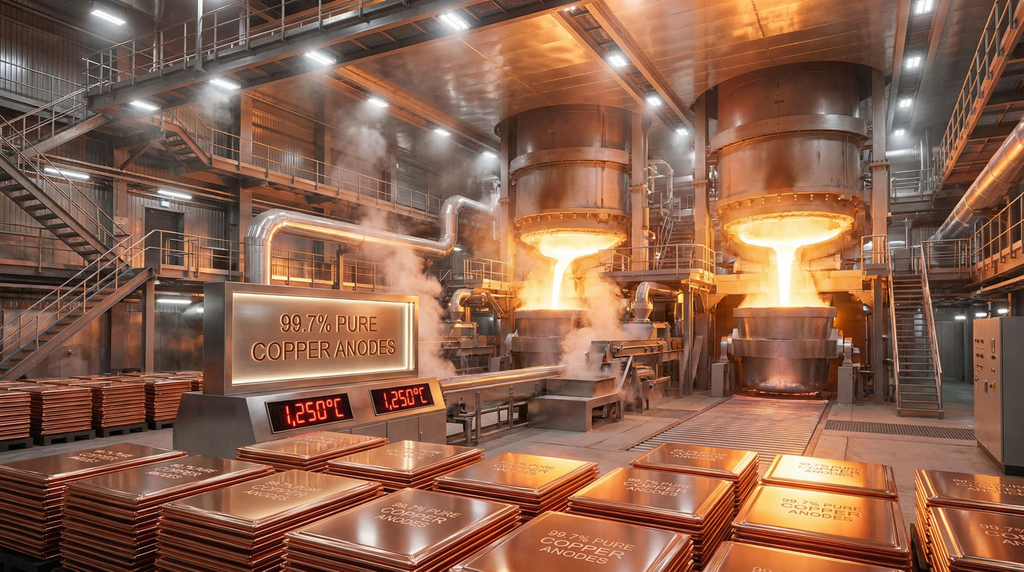
The request comes from China’s State Administration for Market Regulation (SAMR). It is part of an ongoing review, not a final decision, and the reported conditions do not amount to approval.
The story is about more than one merger. It shows how copper supply, an input for the electrical grid and AI infrastructure, is becoming a factor in regulatory approval of major mining deals.
What Is the Anglo American–Teck Resources Deal?
The proposed combination brings together two major miners: Anglo American, based in the UK, and Teck Resources, based in Canada. The companies announced it in 2025, and Reuters puts its value at about $54 billion.
According to Reuters, the deal has won approval from every regulator in the jurisdictions where the companies operate except China. Both companies expect it to close by March 2027, within 18 months of the announcement.
Expecting completion by a date is not the same as guaranteeing it. The deal remains subject to regulatory approval.
Why Is China Asking for Copper Supply Commitments?
To understand the request, it helps to know what copper concentrate is. Copper is mined as rock, and the rock is crushed and processed into a concentrate, a powder containing a much higher share of copper than raw ore. Smelters then turn this concentrate into refined copper.
Concentrate is the raw material, or “feedstock,” that smelters run on. Without enough of it, a smelter either runs below capacity or pays more to compete for supply.
Reuters reported that SAMR has asked for assurances on concentrate supply, including volumes sold through traders. A person familiar with the matter told Reuters the regulator has gathered feedback from Chinese smelters and is now negotiating remedies based on their concerns.
The reported request appears focused on supply security. China’s motives have not been confirmed by the regulator, which had not responded to Reuters’ request for comment.
China’s Copper Smelters Face a Supply Problem
Reuters said China’s smelters process up to 60% of the world’s refined copper cathodes, but are dealing with their worst feedstock shortage in decades.
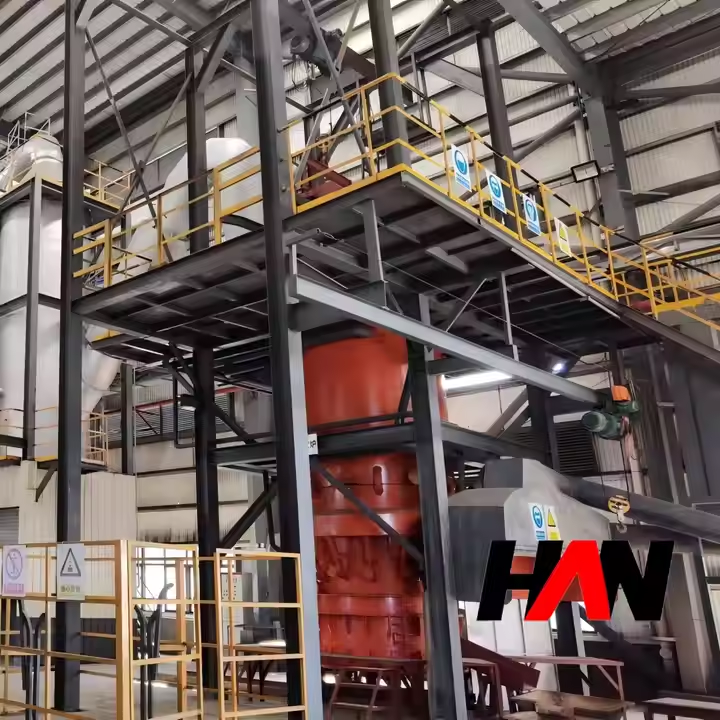
Several pressures are behind this, according to the analysts Reuters cited:
- Smelters are competing for a limited supply of raw material.
- Falling prices for sulphuric acid, a byproduct of smelting, are squeezing profitability.
- Chinese refined copper output is expected to grow at its slowest pace since at least 2000 this year, according to a separate Reuters report.
None of this means China is “running out of copper.” The constraint is the availability of concentrate for smelters, which is a different problem from a shortage of refined metal.
Why Does China Have So Much Influence Over the Merger?
China is a major buyer of copper from both Anglo American and Teck. Reuters said that gives it effective veto power over the deal, because completing the merger requires clearing China’s antitrust review.
Reuters also noted that China has historically used its antitrust powers on large deals to obtain “behavioural remedies.” These differ from structural remedies, such as selling assets. A behavioural remedy requires the merged company to act in a certain way after closing, for example by keeping supply flowing to certain customers.
Reuters reported that the remedies sought here do not currently include asset sales.
This fits a wider pattern. China’s broader role in global technology and AI shows how closely the country links industrial policy to control over critical supply chains.
What Copper Does Anglo American Produce?
Three terms are easy to confuse:
- Copper ore: rock taken from the mine, containing a small share of copper.
- Copper concentrate: ore that has been crushed and processed into a richer powder, but is not yet pure metal.
- Refined copper (cathode): nearly pure copper made by smelting and refining concentrate, which is the form manufacturers use.
Reuters reported that most of Anglo American’s copper output from Peru and Chile is sold as concentrate to international buyers, including Chinese, Japanese and European custom smelters. That is why a commitment to supply China would matter to other buyers too.
Anglo American said it is “making good progress” and working “constructively” with SAMR through its structured review process, according to Reuters. Teck declined to comment on regulatory processes.
Could the Deal Change Global Copper Supply?
Reuters said a combined Anglo Teck would control around 5% of global copper supply. That is below the competition thresholds of 10% to 15% cited in the report. These are reference points for the discussion, not universal legal rules.
A modest global share does not rule out conditions. Regulators can also look at which customers rely on specific producers, how supply is sold, and whether a merger could reduce what reaches particular markets. Industrial policy and national-interest concerns can shape a review as well.
Reuters reported that executives at Glencore, Anglo American and Rio Tinto have said antitrust reviews and national-interest considerations are becoming more prominent in assessing copper and critical minerals transactions.
What Could China’s Conditions Mean for Western Smelters?
The following is the view of industry analysts quoted by Reuters, not an established outcome.
If large volumes of Anglo Teck’s concentrate were committed to China under state-mandated “destination clauses,” less would be available on the open market. Analysts told Reuters this could hasten the closure of some Western processing facilities that are already under pressure from rising costs.
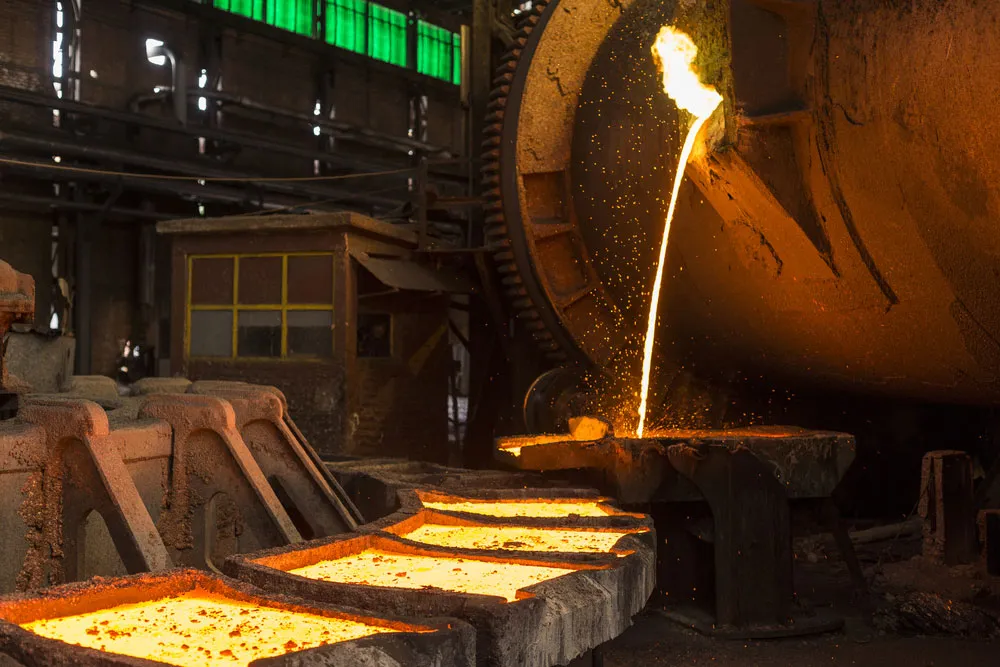
The wider context is that European and other non-Chinese smelters buy concentrate on the open market. If supply there tightens, these smelters could face higher input costs or lower output.
Reuters also pointed to a related case. The European Commission has issued an antitrust warning to MMG over its purchase of Anglo’s nickel assets, citing concerns that ferronickel supply could be diverted away from Europe. MMG said it is proposing long-term European supply commitments.
Could This Change Copper Pricing?
Analysts also told Reuters that destination clauses could accelerate a shift away from traditional annual benchmark pricing.
Under annual benchmark pricing, miners and smelters agree terms once a year, which gives both sides predictability. Under index-linked spot pricing, terms move with current market conditions and are less fixed.
Analysts say the industry would likely pivot toward index-linked pricing if supply is restricted by destination clauses. This is a possibility they raised, not a confirmed change.
Why Copper Matters for AI and the Global Economy
Copper is central to the physical economy. It is used in:
- Electricity grids and power transmission
- Data centers and AI infrastructure
- Electric vehicles
- Renewable energy systems
- Industrial equipment
- Construction
AI is often discussed as software, but it depends on physical infrastructure: chips, servers, cooling, power connections and grids. Meta’s Charm gadget and its AI ambitions are one example of how AI hardware ties into data infrastructure and the resources behind it. Copper demand is therefore not only an “old economy” story. For general background on copper, readers can consult the US Geological Survey and the International Copper Study Group.
What Investors Should Watch
This is not investment advice. These are the developments worth tracking:
- SAMR’s review and any announced decision
- Anglo American’s regulatory commitments
- Any comments from Teck Resources
- Copper concentrate treatment charges
- Chinese smelter profitability, including sulphuric acid prices
- Refined copper production
- Global copper mine supply
- Copper prices
- Demand from energy and AI infrastructure
- Other regulatory approvals
Readers new to commodity exposure may find it useful to understand how commodity-related ETFs work. Broader macro conditions matter too, including the latest US inflation and consumer spending data.
What Happens Next?
According to Reuters, negotiations between Anglo American and Chinese regulators are continuing, and the remedies sought do not currently include asset sales.
The companies expect to close by March 2027. That timeline depends on regulatory approval and on completing any required conditions. There is no confirmed outcome, and this article makes no prediction about whether the deal will be approved.
Conclusion
China’s reported request shows how strategically important copper supply has become. Approval of large mining deals can now involve supply-security commitments, not only competition concerns. The review is still in progress, and the details of any final conditions are not yet public.
FAQ
What is the Anglo Teck merger?
A proposed $54 billion combination of UK-based Anglo American and Canada-based Teck Resources, announced in 2025.
What is China reportedly asking for?
According to Reuters, SAMR wants assurances on steady copper concentrate supply, including volumes sold through traders.
Has China approved the deal?
No. Reuters said China is the only regulator that has not yet approved it, and the review is ongoing.
Why does copper concentrate matter?
It is the raw material smelters turn into refined copper. Reuters reported that Chinese smelters face their worst feedstock shortage in decades.
When is the deal expected to close?
Both companies expect completion by March 2027, subject to regulatory approval.
Sources
- Reuters, “China demands copper supply commitments for Anglo Teck merger approval, sources say,” October 2, 2026: [INSERT REUTERS ARTICLE URL]
- Reuters, China’s refined copper output on track for lowest growth in decades, September 28, 2026
- Reuters, Greater regulatory scrutiny no bar to mining mergers, bosses say, August 19, 2026
- Anglo American and Teck Resources official websites (the Anglo American statement is as quoted by Reuters)
- China’s State Administration for Market Regulation
- US Geological Survey, copper statistics and information
- International Copper Study Group
- More market explainers at FinovaInsights
Disclaimer: This article is for informational and educational purposes only and does not constitute investment, financial or trading advice. Readers should conduct their own research and consult a qualified professional before making financial decisions.