

The US has urged France and Germany to release emergency diesel stocks to ease fuel prices, warning that restrictions on US diesel exports could follow ,according to sources cited by Reuters.
WASHINGTON/BRUSSELS/PARIS, October 1, 2026: The United States has warned France and Germany that they may need to release emergency diesel reserves to help ease global fuel prices or face the possibility of a US diesel export ban, according to three people familiar with the discussions cited by Reuters.
The reported warning reflects growing pressure from the administration of US President Donald Trump as Washington explores measures to reduce domestic fuel costs ahead of the November midterm elections.
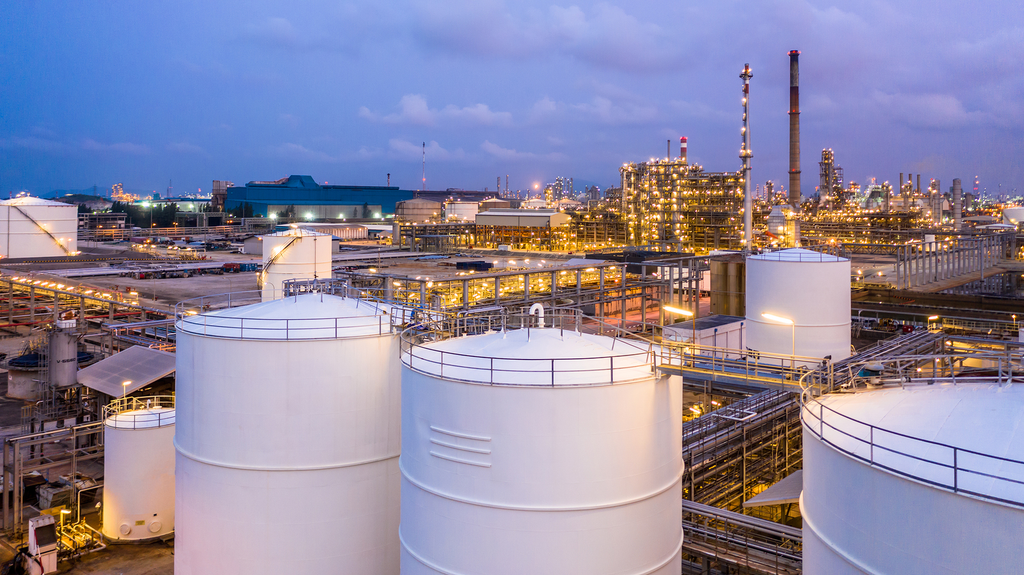
According to the sources, US officials are concerned that France and Germany have not fully followed through on earlier commitments to release emergency oil and petroleum stocks.
US Seeks Additional Diesel Supplies From Europe
The US administration is pushing European countries to increase the availability of diesel as disruptions to international fuel supplies put pressure on energy markets.
One source familiar with the discussions said the United States had asked the European Union to release approximately 120 million barrels of diesel over the next six months.
A US official told Reuters that cooperation with Europe would support efforts to increase the supply of refined petroleum products and reduce costs for consumers.
US Energy Secretary Chris Wright also indicated on Wednesday that Washington expected European countries to announce additional diesel supplies soon.
His comments highlighted concerns about disruptions to global fuel trade, particularly reduced diesel exports from the Middle East and China.
Wright said some supplies from the Middle East were being restored, but the interruptions had created significant challenges for the international market.
Why the US Is Considering a Diesel Export Ban
The Trump administration is considering whether restricting diesel exports could help increase domestic availability and bring down fuel prices in the United States.
However, a potential export ban could also create difficulties for countries that depend on American fuel shipments.
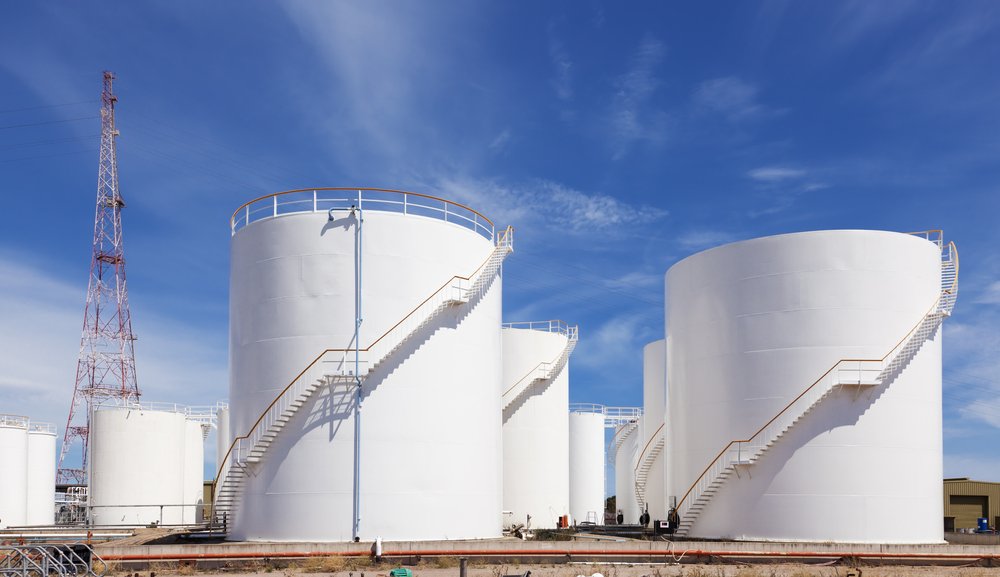
The reported warning to France and Germany comes as Washington seeks additional supplies from international markets while addressing domestic energy costs.
The discussions reflect the challenge of balancing domestic fuel affordability with the United States’ role as a supplier to overseas markets.
The Reuters report did not establish that a diesel export ban had been formally adopted. The measure was described as a potential step under consideration by the US administration.
Europe’s Dependence on US Fuel Imports
European countries have become increasingly reliant on fuel imports from the United States following major changes in global energy trade.
The European Union’s restrictions on Russian energy imports after Russia’s invasion of Ukraine contributed to the restructuring of its energy supply chains. More recently, disruptions associated with the US-Israeli war against Iran have added pressure to fuel supplies from the Middle East.
These developments have increased the importance of alternative suppliers, including the United States.
If Washington restricts diesel exports, European buyers could face additional challenges in securing sufficient supplies. The potential impact would depend on the scope and duration of any restrictions, as well as the availability of alternative sources.
France and Germany Have Yet to Respond Fully
Germany’s economy ministry did not immediately respond to Reuters’ request for comment on the reported US warning. France’s energy ministry declined to comment.
An official at the French presidential palace said French President Emmanuel Macron and Trump had not discussed the diesel issue during their meeting on the sidelines of the United Nations General Assembly in New York the previous week.
The official also said Macron planned to convene a video conference involving G7 leaders to address rising fuel prices and the global availability of refined petroleum products.
The discussions are expected to include coordination on the release of emergency reserves in cooperation with the International Energy Agency.
Such coordination could help participating countries respond to supply disruptions, although the final arrangements and the amount of any additional releases were not confirmed in the report.
What the Developments Could Mean for Global Oil Markets
The dispute highlights the connection between government energy policies, international trade and fuel prices.
A coordinated release of diesel reserves could increase the amount of fuel available to the market in the short term. However, the ultimate effect on prices would depend on the scale of the release, demand conditions, refining capacity and the duration of supply disruptions.
Conversely, a US diesel export ban could reduce the availability of American fuel for overseas buyers. This could put pressure on import-dependent markets if alternative supplies were insufficient.
For the United States, limiting exports might increase the amount of diesel available domestically, but the effect on consumer prices would not be guaranteed. Domestic prices are also influenced by crude oil costs, refinery operations, transportation expenses and broader market conditions.
For Europe, the immediate concern is maintaining reliable fuel supplies while managing the cost of energy.
What Happens Next?
The next steps will depend on whether European governments announce additional diesel reserve releases and whether Washington moves forward with restrictions on diesel exports.
Macron’s proposed G7 video conference could provide an opportunity for major economies to discuss reserve coordination and the availability of refined petroleum products.
For now, the reported US warning signals increasing diplomatic pressure over fuel supplies, but no final decision on a diesel export ban was confirmed in the Reuters report.
Conclusion: The United States is seeking additional diesel supplies from Europe as the Trump administration considers ways to reduce domestic fuel prices. The outcome of discussions with France, Germany and other G7 countries could influence international fuel availability and energy-market conditions in the coming months.
Source: This article is based on the Reuters report provided and does not imply independent verification of the reported discussions.
Disclaimer: This article is for informational purposes only and should not be considered financial or investment advice.